Average read time: mins.
Yoga for Better Sleep: A Calming Bedtime Sequence
If you're lying in bed with a busy mind, a short bedtime yoga sequence can be a gentle way to signal to your body that the day is done. This isn't about flexibility or breaking a sweat — it's slow, floor-based stretching and steady breathing designed to settle your nervous system. None of it is a cure for insomnia, but many people find it a calming pre-sleep ritual. Below is a beginner-friendly routine you can do in ten to fifteen minutes, in dim light, right beside your bed.
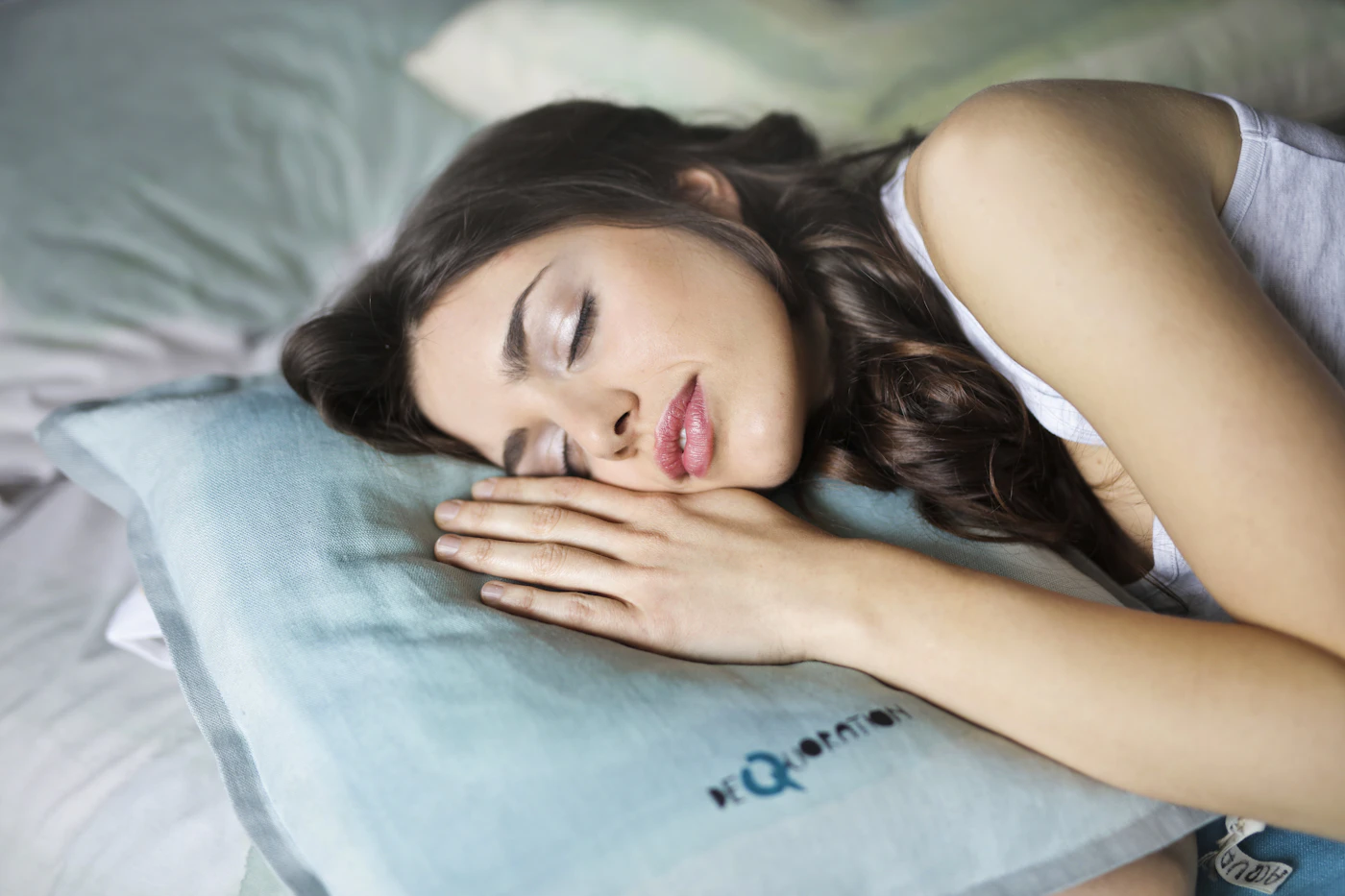
How bedtime yoga differs from your morning practice
Morning and daytime yoga often aim to energise — flowing sequences, standing poses, deeper backbends that wake the body up. A bedtime practice does the opposite. The goal is to downshift, encouraging the slower, rest-and-digest side of your nervous system.
That means staying low to the ground, holding gentle shapes for longer, and letting your breath lead. You'll avoid anything stimulating: no fast vinyasa, no inversions like headstands, no strong core work. Think soft, supported and unhurried. If a pose feels like effort, it's probably too much for this time of night.
Set the scene first
A few minutes of preparation makes the practice far more restful. Dim the lights or use a lamp, silence notifications, and keep the room cool and quiet. Have a cushion or folded blanket to hand for support under your knees or hips.
Wear something loose, and lay a mat or towel beside the bed so you can climb straight in afterwards. Some people like a low background of calming sound and gentle scenery to soften the edges of the day — keep the volume low and the screen dim so it helps you wind down rather than pulling you back in.
A calming bedtime sequence, step by step
Move slowly through these poses, breathing in and out through your nose. Hold each for around 1–3 minutes, or as long as feels comfortable. There's no need to push into a stretch — ease back the moment anything feels sharp.
If any pose aggravates your back, neck, hips or knees, come out of it and skip it. These are general suggestions, not personalised advice.
- Seated forward fold: Sit with legs extended, hinge gently from the hips and let your head and arms hang heavy. Bend your knees as much as you like.
- Reclined butterfly: Lie back, bring the soles of your feet together and let your knees fall open. Support each knee with a cushion if they feel tight.
- Knees-to-chest: Hug both knees in and rock slowly side to side to release the lower back.
- Supine twist: Drop both knees to one side, arms wide, and turn your gaze the other way. Repeat on the second side.
- Legs up the wall: Shuffle your hips close to a wall and rest your legs up it, arms relaxed. A quietly soothing favourite.
- Final rest (savasana): Lie flat, eyes closed, and let your breath return to normal for a few minutes before getting into bed.
Breathe to slow things down
Your breath is the most powerful tool here. A simple approach is to gently lengthen your exhale so it's a little longer than your inhale — for example, breathing in for a count of four and out for a count of six. Longer exhales are widely associated with a calmer, more relaxed state.
Keep it easy and natural; never strain or hold your breath in a way that feels uncomfortable. If counting makes your mind busier, simply notice the breath moving in and out. Pair this with the supine twist and legs-up-the-wall poses for the deepest sense of release.
Common mistakes to avoid
A few small tweaks keep the practice genuinely sleep-friendly rather than accidentally energising.
- Practising in bright light or with your phone glaring — both work against melatonin and wakefulness winding down.
- Pushing into deep stretches to "earn" the relaxation. Gentle wins at night.
- Rushing through poses; the calming effect comes from the slow holds.
- Adding stimulating moves like fast flows, inversions or strong core work.
- Practising on a very full stomach — leave a little time after a large meal.
What to expect, and when to seek advice
Some people feel sleepy after a single session; for others, the benefit builds as it becomes a familiar nightly cue. Consistency matters more than intensity, so aim for a short practice most evenings rather than a long one occasionally. If you only have five minutes, legs up the wall plus a few slow breaths is plenty.
Yoga may support relaxation, but it isn't a treatment for sleep disorders or medical conditions. If you're pregnant, recovering from injury, or living with ongoing pain or a health condition — or if poor sleep persists — please check in with a qualified yoga teacher, your GP or another healthcare professional. Above all, listen to your body and come out of anything that doesn't feel right.
Roll into bed straight from your final rest, keep the lights low, and let the calm carry you off.
Sweet dreams — and remember, the gentlest version is always the right one at bedtime.