Average read time: mins.
The Calm You Borrow From Nature: Why Green Spaces Lower Stress
There's a particular kind of ease that settles over you on a woodland path, or sitting by a river with nothing to do. Your shoulders drop a little. Your thoughts loosen. You didn't decide to relax — it just happened. Researchers have spent decades trying to understand why nature does this to us, and the findings are encouraging. The good news is that you don't always need a forest to feel some of it.
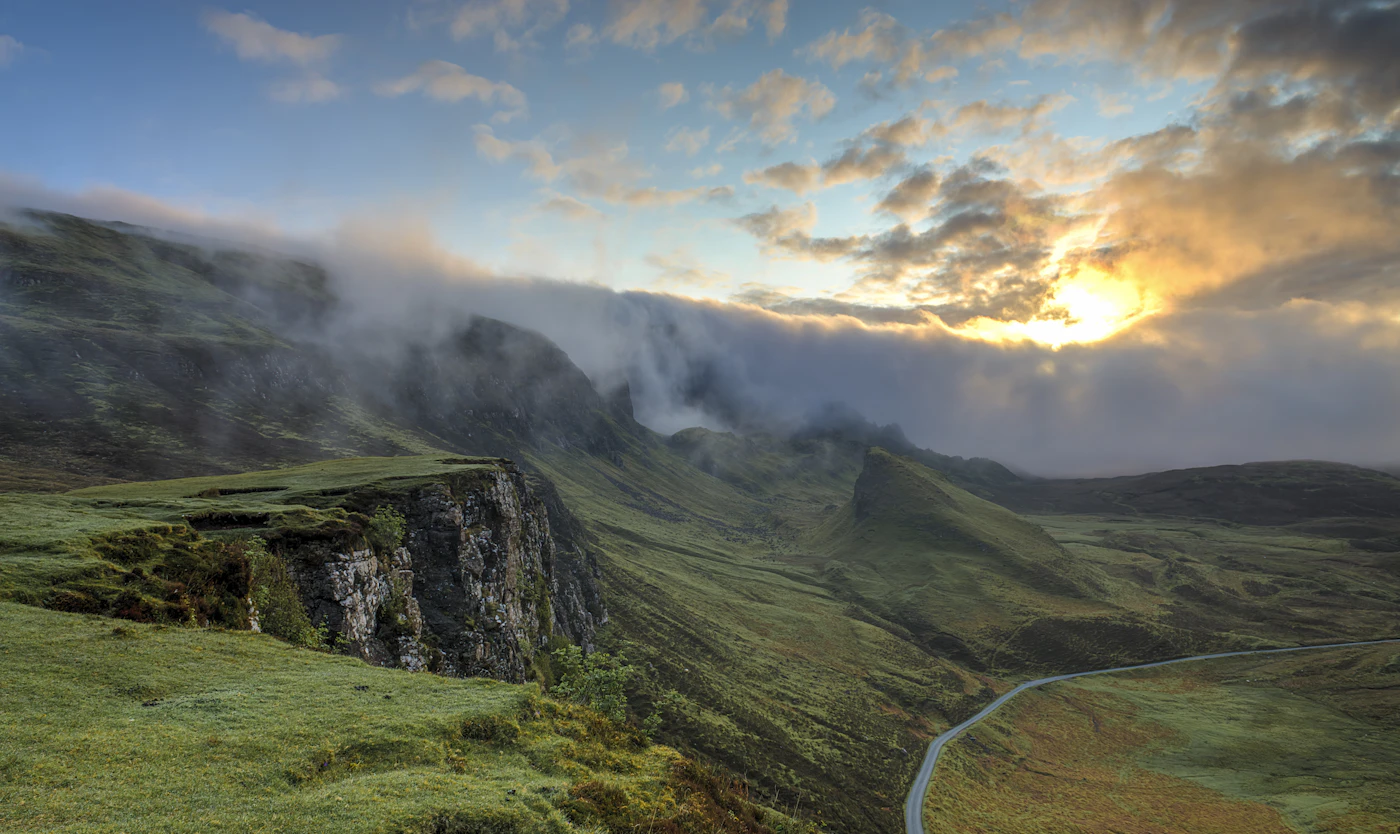
What happens when we step outside
When people spend time in green spaces, research suggests their bodies tend to wind down. Heart rate eases, breathing slows, and the buzz of a busy mind often quietens. Some scientists describe this as the nervous system shifting out of high alert and into a calmer, more restful gear.
None of this is magic, and it isn't a cure for anything. But many people find that even a short walk among trees, or a few minutes by water, leaves them feeling steadier than they did before. The effect is gentle and cumulative — small doses, often, seem to matter more than one grand escape.
Why nature feels so effortless
One popular idea is that natural scenes are simply easy to look at. A city street demands constant attention — traffic, signs, decisions — and that low-level vigilance is tiring. A meadow or a shoreline, by contrast, holds your gaze without grabbing it. The rustle of leaves, the drift of clouds, the flicker of light on water all invite a soft, undemanding kind of attention.
Researchers sometimes call this restoration: the sense that nature gives our overworked focus a chance to recover. It's why a view of trees from a window can feel quietly steadying, even when you can't actually go outside.
It isn't only what we see
Sound plays a bigger part than most of us realise. Birdsong, gentle rainfall, a distant stream — these natural sounds are often experienced as reassuring rather than threatening, and many people find they help the mind settle.
There may be a practical reason too. Soft, natural sound can mask the sharper, more jarring noises of modern life — a slamming door, a notification, traffic outside the window. By smoothing over those interruptions, a steady wash of rain or waves can make a room feel calmer and more contained, which is part of why it pairs so well with a peaceful scene.
When you can't get to the woods
Real nature is wonderful, but it isn't always available. You might be in a flat with no garden, working late, or simply too tired to lace up your boots. This is where a stand-in can genuinely help.
Research into nature imagery suggests that even photographs and recordings of natural scenes can offer a portion of the calm the real thing provides. It won't be identical to standing in a forest — but a beautiful slideshow of woodland or coastline, paired with the right sounds, can give your senses something restful to settle into when the outdoors is out of reach.
A simple way to borrow some calm
If you'd like to try this for yourself, you don't need much. The aim is to gently recreate the unhurried feeling of being outside, then let your attention rest there for a little while.
A few things that many people find helpful:
- Choose a scene that genuinely appeals to you — forest, beach, or open sky — rather than the one you think you should like.
- Add one or two natural sounds, such as rainfall or birdsong, kept soft enough to fade into the background.
- Give it a real five or ten minutes, without checking your phone, so your attention has time to soften.
- Notice your breathing slow on its own, and let it — there's nothing to achieve here.
You won't always be able to get to the woods, and that's all right. A quiet scene and a little gentle sound can stand in surprisingly well, offering a small, borrowed pocket of the calm that nature gives so freely.
On Create Your Zen you can layer your own sounds over a scene that speaks to you, and build a few restful minutes that feel like yours. Start small, return to it often, and let the calm do its quiet work.