Average read time: mins.
How to Start Yoga at Home: A Complete Beginner's Guide
Starting yoga at home is one of the easiest, kindest things you can do for your body and mind — no membership, no mirror-lined studio, no experience required. If you've searched for how to begin, you really only need a clear patch of floor, a few minutes, and the willingness to feel a little wobbly at first. This guide walks you through the kit, the space, your very first session, and how to keep going once the novelty fades.
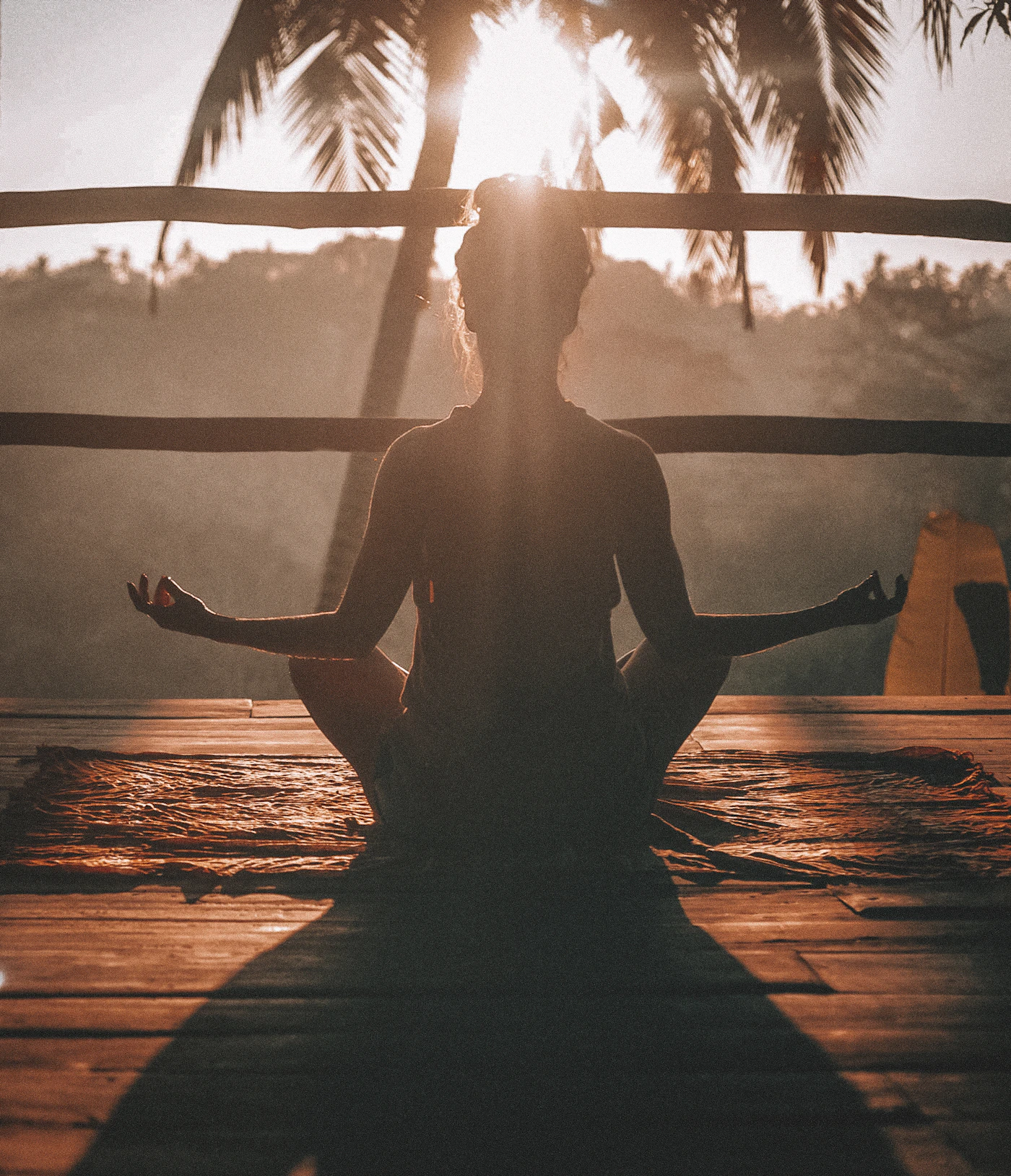
Why home is a great place to begin
Practising at home removes the things that put beginners off most: feeling watched, comparing yourself to flexible strangers, and the faff of getting somewhere on time. At home you can pause, repeat a pose, or stop entirely without anyone noticing. That freedom matters — yoga is a personal practice, not a performance.
Yoga is best understood as a blend of gentle movement, breath awareness and a few quiet moments of stillness. Done regularly, it may help you feel more mobile, steadier and calmer, and many people find it a useful way to wind down. It isn't a cure for anything, and it won't fix a busy week on its own — but as a small, repeatable habit it tends to give back more than it asks.
The kit you actually need
You need far less than the marketing suggests. A good non-slip mat is the one worthwhile purchase, because it stops your hands and feet sliding in standing poses. Almost everything else can be improvised from things already in your home.
Here's a sensible starter checklist — buy the first item, borrow or substitute the rest:
- A non-slip yoga mat — the single piece of kit worth spending on; a thicker mat is kinder on knees and wrists.
- Comfortable clothing you can stretch and breathe in — no special activewear required.
- Two firm cushions or a couple of books as makeshift blocks to bring the floor closer in seated and standing poses.
- A folded blanket or towel for kneeling, sitting tall, or staying warm in the final rest.
- A bottle of water nearby, and bare feet for grip.
Setting up your space
Find a spot where you can stretch your arms out in every direction without hitting furniture — roughly the length of your mat plus a little room around it. A clear stretch of living-room floor or the foot of the bed is plenty. Move anything you might catch a hand or heel on.
Keep it simple and slightly uncluttered, with enough warmth that your muscles don't seize and enough air that you don't overheat. Some people like soft light and quiet ambient sound to settle in — if a calming backdrop of birdsong or gentle waves helps you switch off, layer some on; if you prefer silence, that's equally valid.
Your first 15-minute session, step by step
Always begin with a gentle warm-up so you're not stretching cold muscles, and move slowly enough that you can breathe smoothly throughout. If a pose causes sharp pain (as opposed to a mild stretch), ease off — discomfort is information, not a target to push through.
Try this short beginner sequence. Move at your own pace and repeat anything that feels good:
- Settle (1 min): sit or stand tall, soften your shoulders, and take ten slow breaths in and out through the nose.
- Cat–cow (2 min): on hands and knees, arch and round your spine with your breath to wake up the back.
- Downward dog to standing (3 min): press back into an inverted V, then walk your feet to your hands and slowly roll up to stand.
- Gentle standing flow (4 min): reach up on an inhale, fold forward on an exhale, repeat slowly, bending the knees as much as you like.
- Seated forward fold (2 min): sit with legs long, hinge gently from the hips, and rest hands wherever they reach.
- Final rest (3 min): lie on your back, arms by your sides, and simply breathe — this stillness is part of the practice, not optional.
Common beginner mistakes to sidestep
Most early frustration comes from a handful of avoidable habits. Holding your breath is the big one — if you notice you've stopped breathing, you're trying too hard. Chasing flexibility is another: yoga builds it gradually, and forcing a stretch is how people tug a muscle. Skipping the warm-up and the final rest robs you of two of the most valuable parts.
Comparison is the quiet saboteur. The shape you see online took that person years; your version today is the right one. Use cushions or books under your hands freely — props are a sign of intelligence, not weakness, and they let you do poses well rather than badly.
How to keep it going
Consistency beats intensity. Ten minutes most days will do far more for you than one heroic hour-long session a month. Anchor your practice to something you already do — after waking, before a shower, or as a way to unwind in the evening — so it becomes a habit rather than a decision.
As you grow more confident, lengthen your sessions, hold poses for a few more breaths, or follow a longer beginner class. A handful of qualified teachers post free, well-paced sessions online, which is a lovely way to learn new shapes safely. If you're pregnant, recovering from injury, managing a health condition, or you feel persistent pain, check with a GP or a qualified yoga teacher before continuing — a little professional guidance keeps your practice safe and sustainable.
There's no perfect day to begin and no level of flexibility you need to earn first — roll out a mat, take a few slow breaths, and start where you are.
Be patient and kind with yourself; the body that shows up today is exactly the right one to begin with.