Average read time: mins.
Benefits of Pilates: What a Regular Practice Does for Your Body
If you've ever wondered whether Pilates is worth your time, the short answer is that a regular practice tends to pay off in ways you can actually feel: a steadier core, better posture, more flexibility and a calmer, more controlled sense of how your body moves. It isn't a miracle cure or a quick fix — but done consistently, Pilates may help you build strength and balance that carry over into everyday life. Here's what to expect, and how to start.
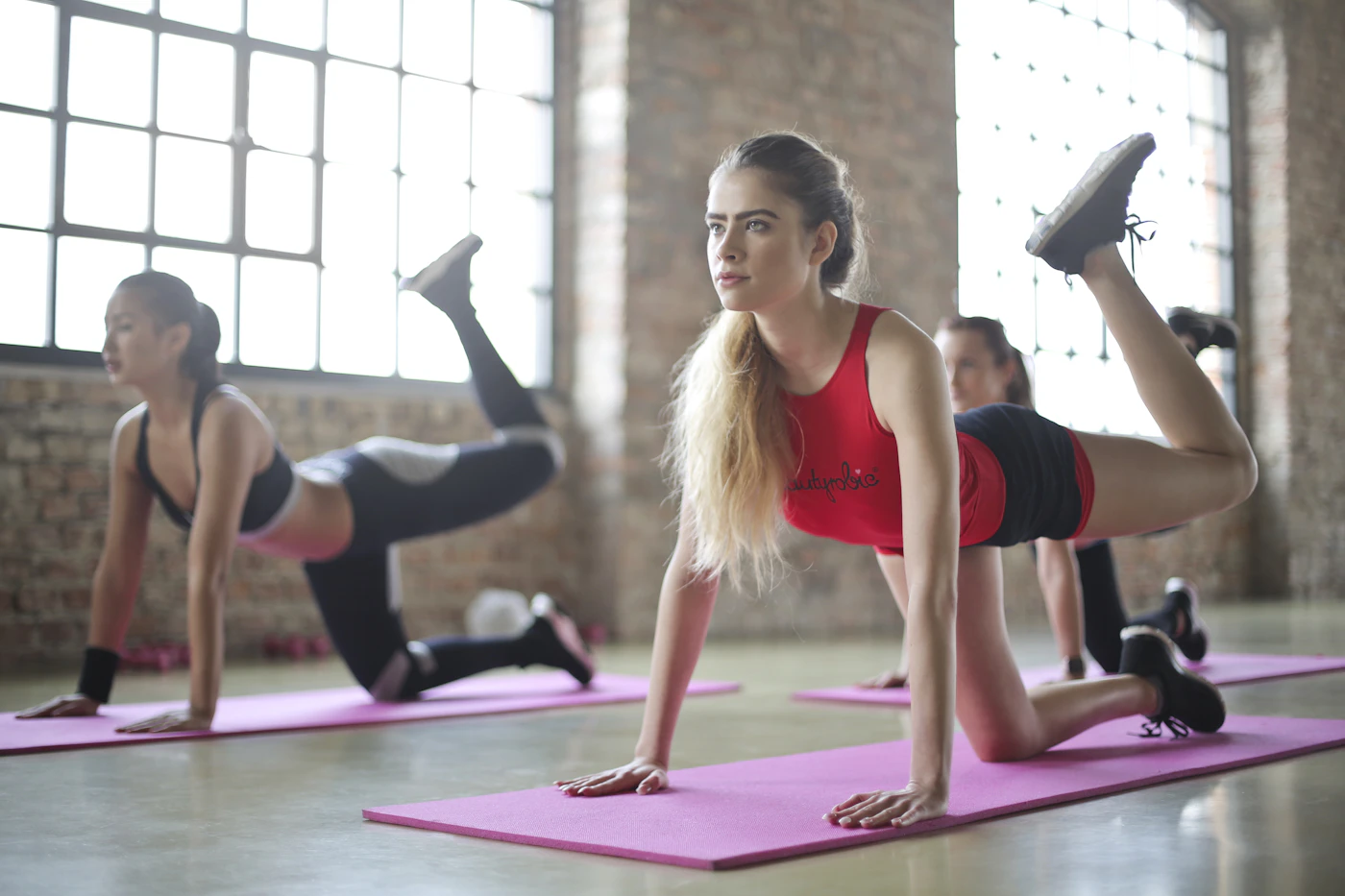
A stronger, more stable core
Pilates is best known for core work, and for good reason. Rather than chasing endless sit-ups, it trains the deep abdominal and back muscles that wrap around your trunk like a natural corset. These muscles stabilise your spine and pelvis, so the goal isn't a flatter stomach so much as a steadier, better-supported middle.
A strong core changes how everything else feels. Lifting shopping, climbing stairs, standing for long stretches — they all rely on a trunk that can hold firm while your arms and legs do the work. Many people notice this functional stability before they notice anything in the mirror, and it's one of the most reliable benefits of a consistent practice.
Better flexibility and mobility
Pilates moves your joints through their full range with control, which over time can improve flexibility in the hips, spine, shoulders and hamstrings. Unlike static stretching held at the limit, Pilates blends mobility with strength, so you're building usable range rather than just loose joints.
This matters for posture, too. Long hours at a desk tend to stiffen the upper back and tighten the hips. Regular practice gently counters that pattern, helping you sit and stand taller without forcing it. Expect gradual change measured in weeks, not days — and remember that a little discomfort at a stretch is normal, while sharp pain is a signal to ease off.
Balance, coordination and body awareness
A quieter benefit, but a valuable one: Pilates sharpens your sense of where your body is in space. The emphasis on slow, precise, controlled movement trains coordination and balance, which can make you feel more sure-footed in daily life and may support steadier movement as you get older.
Much of this comes from the focus the practice demands. Linking breath to movement and paying attention to alignment turns each session into something closer to a moving meditation. If you find that kind of focus settling, winding down afterwards with some calm ambient sound and gentle scenery can extend the same unhurried mood into the rest of your evening.
A simple beginner routine to start
You don't need equipment or a studio to begin — a mat and a bit of floor space are plenty. Warm up first with a few minutes of easy movement, then move slowly and stop if anything hurts. Try this short mat sequence, focusing on control rather than speed or reps:
- Pelvic tilts — lie on your back, knees bent, and gently rock your pelvis to find a neutral spine. 8–10 slow reps to warm up the core.
- Dead bug — on your back, lower an opposite arm and leg towards the floor while keeping your lower back supported. 6–8 each side.
- Glute bridge — press through your heels to lift your hips, squeeze, and lower with control. 8–10 reps.
- Bird dog — on all fours, extend an opposite arm and leg, holding steady for a breath. 6–8 each side.
- Modified plank — hold from knees or toes, keeping your spine long, for 15–30 seconds.
- Child's pose — finish by sitting back over your heels and breathing slowly for a gentle stretch.
Common mistakes to avoid
Most early frustration comes from a handful of fixable habits. Holding your breath, rushing through reps, or letting your lower back arch off the mat all undercut the very stability you're trying to build. Quality beats quantity every time — six controlled reps with proper breathing do more than twenty rushed ones.
Equally, don't measure yourself against the most advanced version of an exercise. Use modifications, build gradually, and give your body time to adapt. If you have a current injury, are pregnant, or manage a medical condition, check with a qualified instructor or healthcare professional before starting, and consider a few sessions with a certified teacher to learn the foundations safely.
What to expect over time
Pilates rewards consistency more than intensity. Two or three short sessions a week is a realistic, sustainable starting point, and many people report feeling more aware and a little more mobile within the first few weeks. Strength and flexibility gains build more slowly, over a couple of months of regular practice.
Progress isn't always linear, and that's fine. Some days will feel stronger than others. Keep listening to your body, increase difficulty only when the basics feel comfortable, and treat each session as practice rather than performance. That patient, attentive approach is exactly what makes the benefits stick.
Pilates won't transform you overnight, but a steady, attentive practice tends to leave you stronger, more flexible, better balanced and more in tune with how you move.
Start gently, stay consistent, listen to your body, and seek a qualified professional if you're carrying an injury or managing a health condition.